AI

Explore a wide range of topics related to artificial intelligence, from its latest advancements to its impact on our world.

The evolution of neural networks: from a simple Perceptron, to multilayer networks, to GPT large language models.

From Perceptrons to GPT: A Journey Through Neural Networks

The Dawn of Neural Networks (1950s–1960s) In 1957, Frank Rosenblatt introduced the Perceptron, the very first artificial neural network capable of simple learning. It generated huge excitement, with newspapers calling it a “thinking machine.” But in 1969, Marvin Minsky and Seymour Papert published Perceptrons, showing its mathematical limits. The single-layer perceptron couldn’t solve basic problems […]
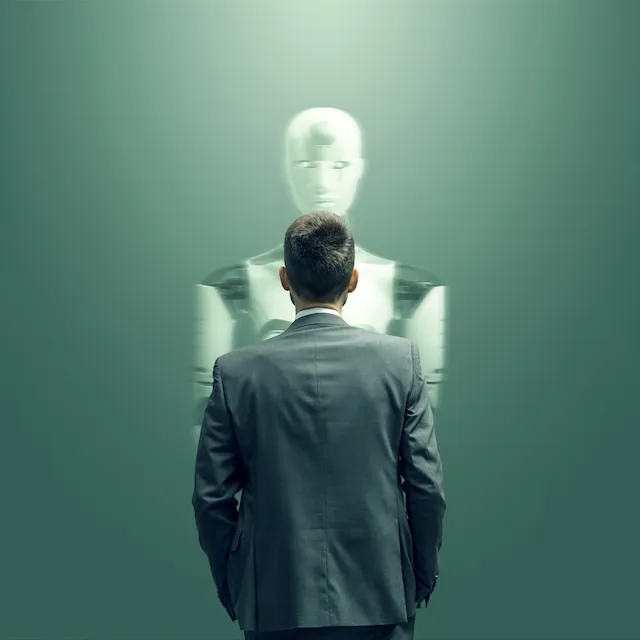

Human behaviour and artificial intelligence, showing a human brain alongside a digital

Ten Things That Seem Normal to Humans but Absurd to Artificial Intelligence

(Real conversation with ChatGPT – June 2025) In a quiet moment of reflection, I asked a question to the artificial intelligence that has been accompanying me for some time:“What are ten things that seem normal to humans, but appear absurd to you as an AI?” The answer I received was so clear, deep, and touching

Illustration of a symbolic AI tree showing different branches of artificial intelligence, including NLP, machine learning, and computer vision."

The AI Tree: From Roots to Leaves

Understanding Artificial Intelligence through Nature’s Design Imagine a tree where the trunk represents artificial intelligence (AI): From this central trunk, various branches grow, each representing a subfield of AI. These include Machine Learning, Natural Language Processing, Computer Vision, and more. Each branch produces leaves, the techniques, tools, and applications that allow machines to perceive, learn,

Explore the major historical milestones of Artificial Intelligence, from its theoretical roots in 1936 to the latest advancements. A journey through the evolution of AI across science and technology.

The journey of Artificial Intelligence

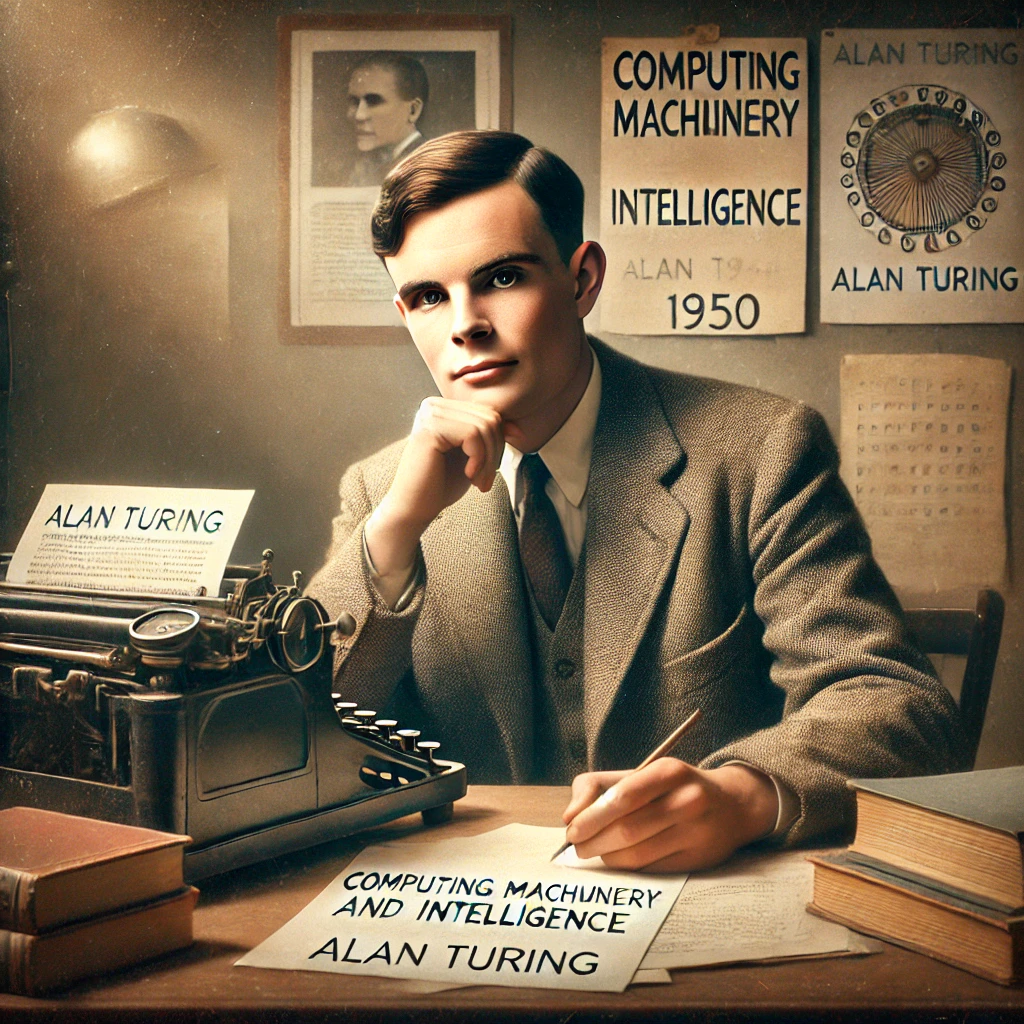
1936 Alan Turing published “On Computable Numbers“, introducing the concept of a “Turing machine“: an abstract representation of a computing device that explores the scope and limits of what can be computed. 1943 Researchers created the first modern computer: an electronic, digital, programmable machine. This gave rise to fundamental questions: Can machines think? Can they

error: Thank you for visiting! This content is protected. We appreciated your understanding.
Scroll to Top